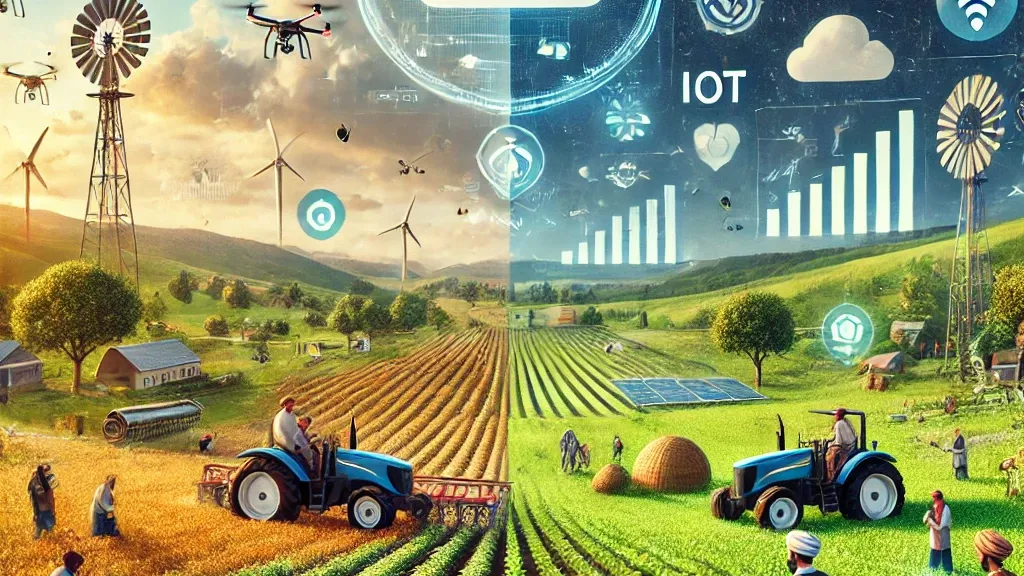
Agriculture, one of humanity’s oldest and most essential industries, serves as the backbone of economies worldwide. As the global population continues to grow and the impacts of climate change intensify, the agricultural sector faces unprecedented challenges. In 2023, the global agriculture market was valued at approximately $13.4 trillion, up from $12.2 trillion in 2022, reflecting a compound annual growth rate (CAGR) of 9.4%. It is projected to reach around $19 trillion by 2027, indicating continued robust growth despite hurdles such as the COVID-19 pandemic and geopolitical tensions. The challenge of feeding a growing population while protecting the environment necessitates innovative solutions. This article delves into the current state of technology adoption in agriculture, the transformative potential of cloud computing, and the challenges and opportunities that lie ahead.
Sustainability Challenges in the Agriculture Sector
Agriculture plays a complex role in sustainability: it both contributes to and is affected by global sustainability challenges. Addressing these issues is crucial for ensuring food security, protecting the environment, and promoting equitable growth.
Environmental Challenges
Climate Change: Agriculture is highly susceptible to the effects of climate change. Rising temperatures, erratic rainfall, and more frequent extreme weather events pose significant risks to crop yields and livestock. According to the Intergovernmental Panel on Climate Change (IPCC), for each degree Celsius increase in temperature, wheat yields could decrease by 6%, and rice yields by 10%.
Water Scarcity: Agriculture consumes about 70% of the world’s freshwater resources. In regions facing water scarcity, such as North Africa and the Middle East, water availability per capita is expected to decline by 20-30% by 2050, intensifying conflicts over water use.
Soil Degradation: Intensive farming practices, deforestation, and the overuse of chemical fertilizers and pesticides have led to widespread soil degradation. Approximately 33% of the world's soil is already degraded, and the UN estimates that this could reduce global food production by up to 12% over the next 25 years, driving up food prices and increasing food insecurity.
Biodiversity Loss: Modern agricultural practices, such as monocropping and the use of genetically modified organisms (GMOs), have significantly reduced biodiversity. The Food and Agriculture Organization of the United Nations (FAO) reports that 75% of the world’s crop diversity has been lost since the 1900s, making ecosystems less resilient to pests, diseases, and climate change.
Greenhouse Gas Emissions: Agriculture is responsible for approximately 10-12% of global greenhouse gas emissions, with livestock alone accounting for 14.5% of all anthropogenic GHG emissions. Methane from livestock and nitrous oxide from fertilizers are among the most potent contributors to global warming, exacerbating climate change.
Social Challenges
Inequality and Poverty: Many farmers, especially smallholders, live in poverty and lack access to resources, education, and markets. This limits their ability to invest in sustainable practices and adopt new technologies that could enhance their productivity and income.
Labor Shortages: Rural-urban migration and an aging farming population have led to growing labor shortages in agriculture. For example, in the United States, the average age of a farmer is 57.5 years, and the sector has seen a 20% reduction in farm labor over the past two decades.
Access to Education and Training: In many developing countries, only 5-10% of farmers have access to agricultural extension services or training programs. This lack of education and training limits the adoption of new technologies and sustainable practices, which are crucial for improving productivity and environmental sustainability.
Can Cloud Technology aid the Agriculture Sector in addressing these challenges?
Cloud computing holds significant promise for addressing many of the challenges faced by the agricultural sector by offering scalable, flexible, and cost-effective solutions. Here are five ways in which cloud technology is transforming agriculture:
Enhanced Data Analytics and Decision-Making: Cloud platforms enable vast data storage and advanced analytics, helping farmers make informed decisions about crop management, resource allocation, and market trends. By analyzing data from multiple sources—such as historical weather patterns and soil health—farmers can optimize planting schedules, improve yields, and reduce waste through precision farming. For example, Climate Corporation, a subsidiary of Bayer, uses cloud computing to provide farmers with data-driven insights through their platform, Climate FieldView.
Real-Time Monitoring and Automation: The integration of IoT devices with cloud technology allows farmers to monitor soil moisture, temperature, and crop health in real-time. Automated systems, such as precision irrigation, adjust resource use based on this data, reducing the risk of crop failure and enhancing efficiency. For instance, CropX, an ag-tech startup, integrates IoT sensors with cloud technology to provide real-time monitoring of soil conditions, helping farmers optimize water use and improve crop health, reducing water usage by up to 25% while increasing yields.
Remote Farm Management: Cloud-based farm management software like AgriWebb empowers farmers to monitor and manage their operations remotely, making it easier to oversee multiple properties or address labor shortages. This includes tracking machinery, monitoring weather conditions, and automating tasks like irrigation.
Collaboration and Knowledge Sharing: Cloud platforms foster collaboration among farmers, researchers, and agronomists by enabling data sharing and access to expert advice. WeFarm, for example, is a cloud-based platform that connects farmers with each other, allowing them to share knowledge and solutions to common agricultural challenges. Through WeFarm, farmers can ask questions and receive answers from other farmers worldwide, even without internet access. The platform uses machine learning to provide relevant information and has reached over 2.5 million farmers, particularly smallholders in Africa.
Risk Management and Disaster Recovery: Cloud technology offers robust disaster recovery solutions, safeguarding critical farm data from natural disasters. IBM Food Trust, for example, uses blockchain and cloud technology to enhance transparency and traceability in the food supply chain, providing disaster recovery solutions and predictive analytics to help farmers protect their data and anticipate risks.
Technology Adoption in the Agriculture Sector
While technology has already transformed numerous areas within the agriculture sector—such as precision farming, drone technology, and IoT-based systems—a significant portion of the industry has yet to fully embrace these innovations. Approximately 50% of the agriculture sector remains untapped by advanced technologies, highlighting a substantial opportunity for growth and development.
For example, in regions like southern Germany, adoption rates for digital farming technologies, such as barn robotics and satellite data maps, rarely exceed double digits, with projections suggesting only 15-20% adoption within the next five years. In some parts of Africa and India, challenges such as resource scarcity, limited expertise, and lack of digital infrastructure further hinder technology adoption.
Challenges in Cloud Technology Adoption
The adoption of cloud-based solutions in agriculture faces significant hurdles, particularly in developing countries. For instance, in sub-Saharan Africa, only about 28% of the population has access to the internet, which severely limits the reach of digital technologies in rural farming areas. Additionally, digital literacy remains low; globally, only about 40% of adults in developing regions have basic digital skills. Resistance to change is another challenge, as traditional farming methods have been practiced for generations, requiring significant educational efforts to shift mindsets. The high cost of digital technologies further restricts access, with an estimated 80% of smallholder farmers earning less than $2 per day, making it difficult for them to invest in new tools. Moreover, regulatory barriers, such as restrictive data-sharing laws, can slow the adoption of cloud solutions, highlighting the need for supportive policies to encourage integration into farming practices.
Conclusion
The future of agriculture lies in the successful integration of technology, into farming practices. While challenges remain, the potential for technology to enhance productivity, sustainability, and resilience in agriculture is immense. However, technology adoption must be approached with a deep understanding of the diverse needs of farmers, particularly those in underserved regions. By addressing the barriers to adoption and leveraging the power of cloud technology, we can ensure that agriculture continues to thrive in the face of growing global challenges.
As we look towards the future, the key will be ensuring that these digital solutions are not only innovative but also accessible, affordable, and truly beneficial to the farmers who need them most. The journey towards digital transformation in agriculture is complex, but with the right strategies and support, it holds the promise of a more sustainable and prosperous future for all.